
COBRA GALLERY SHANGHAI
NEVER STEP INTO THE SAME RIVER TWICE
November 8, 2024 – February 21, 2025
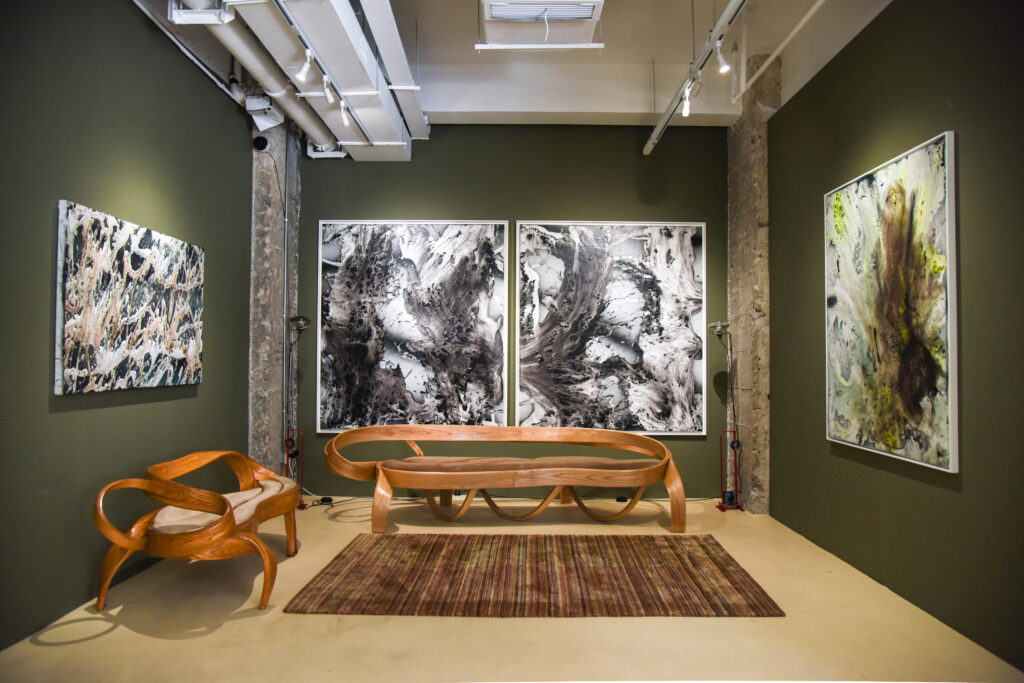
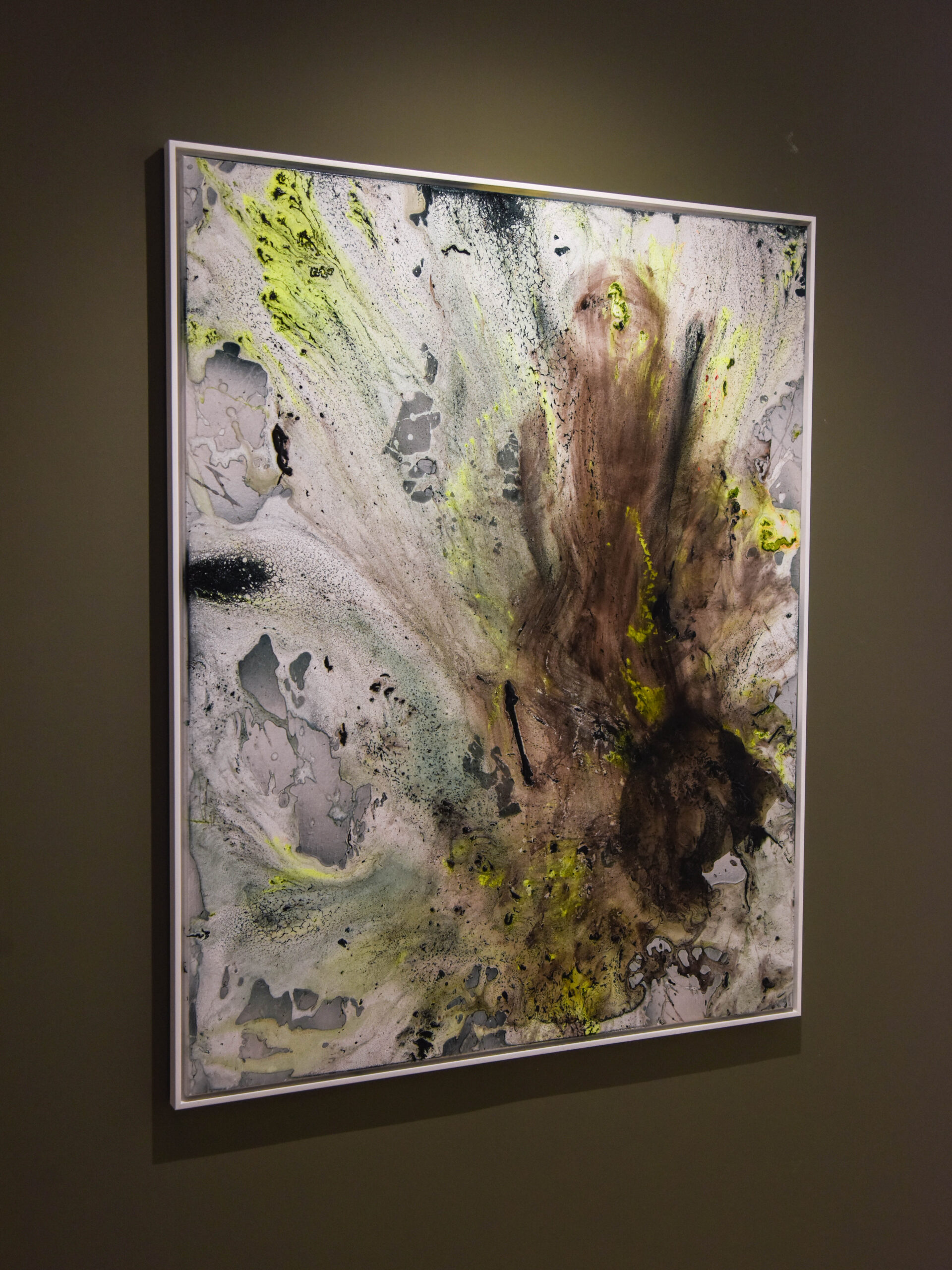
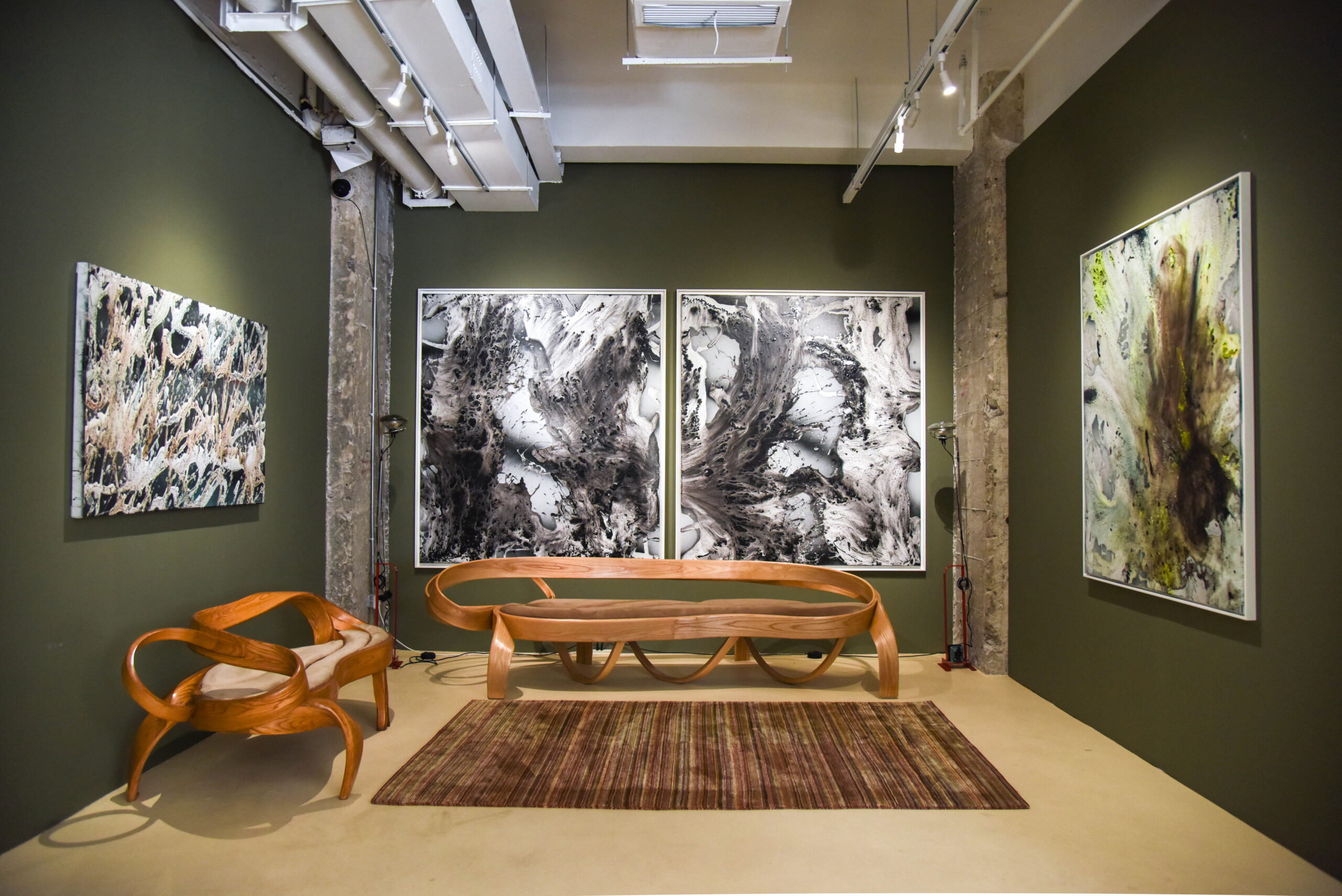
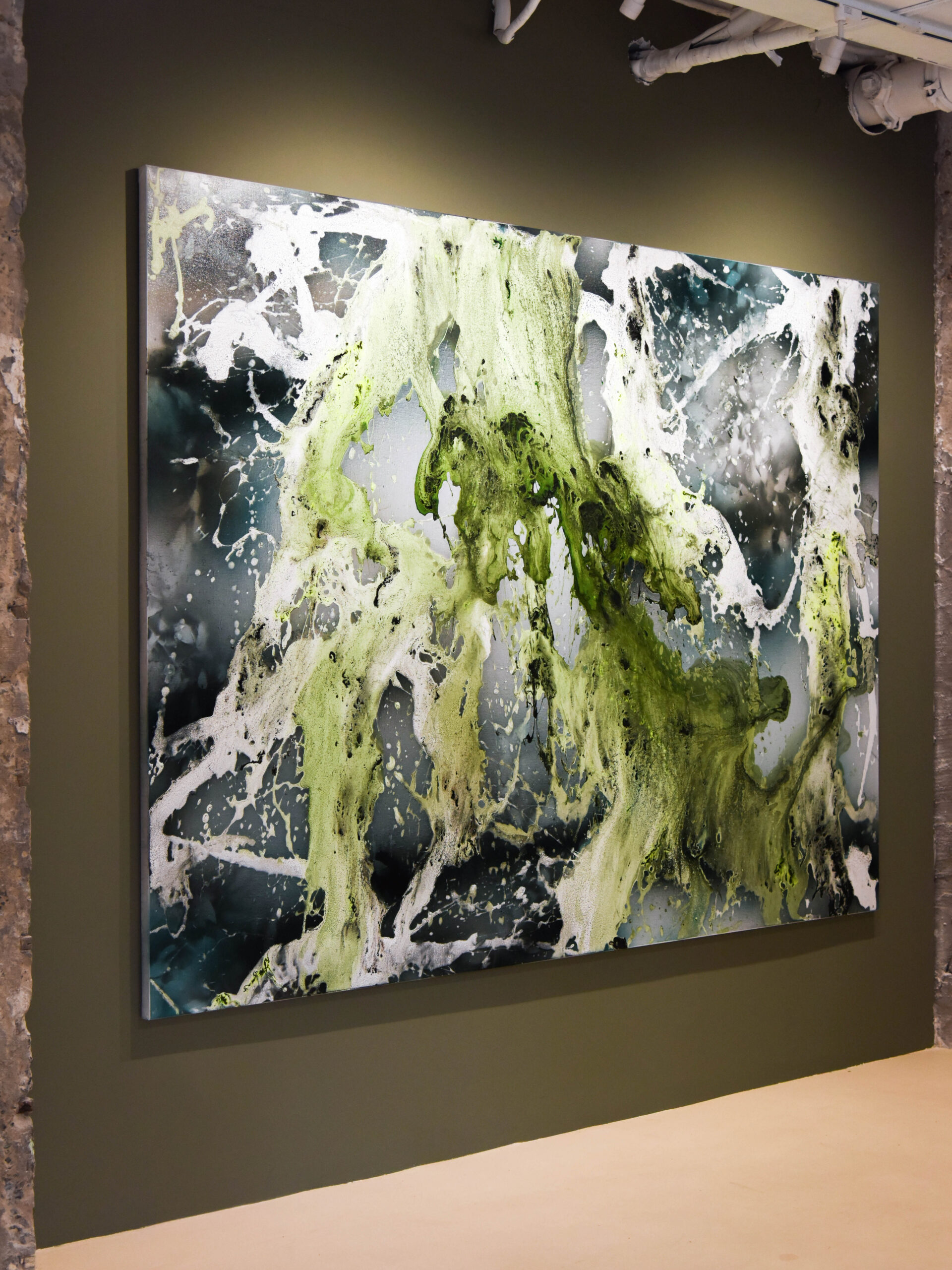
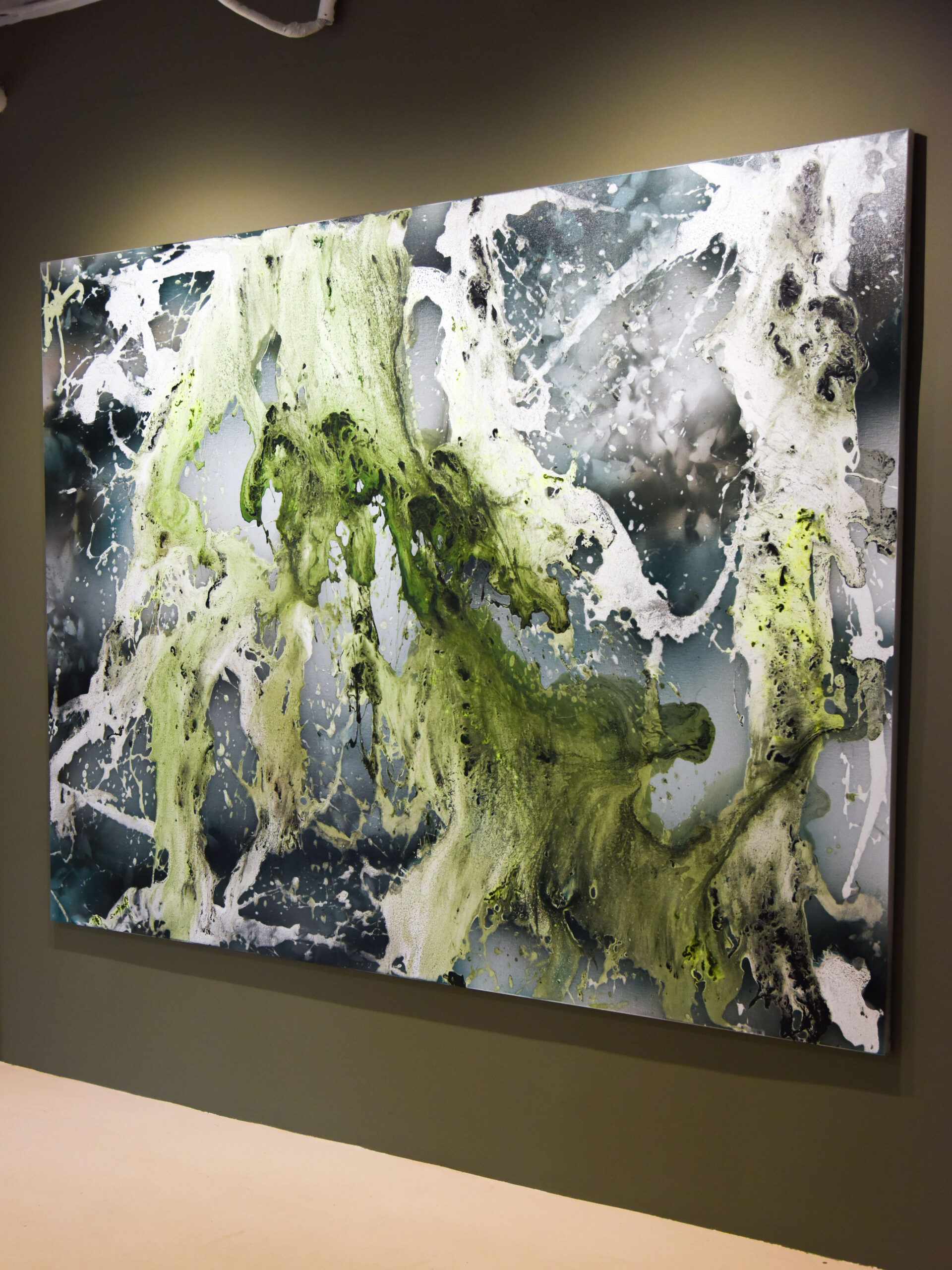
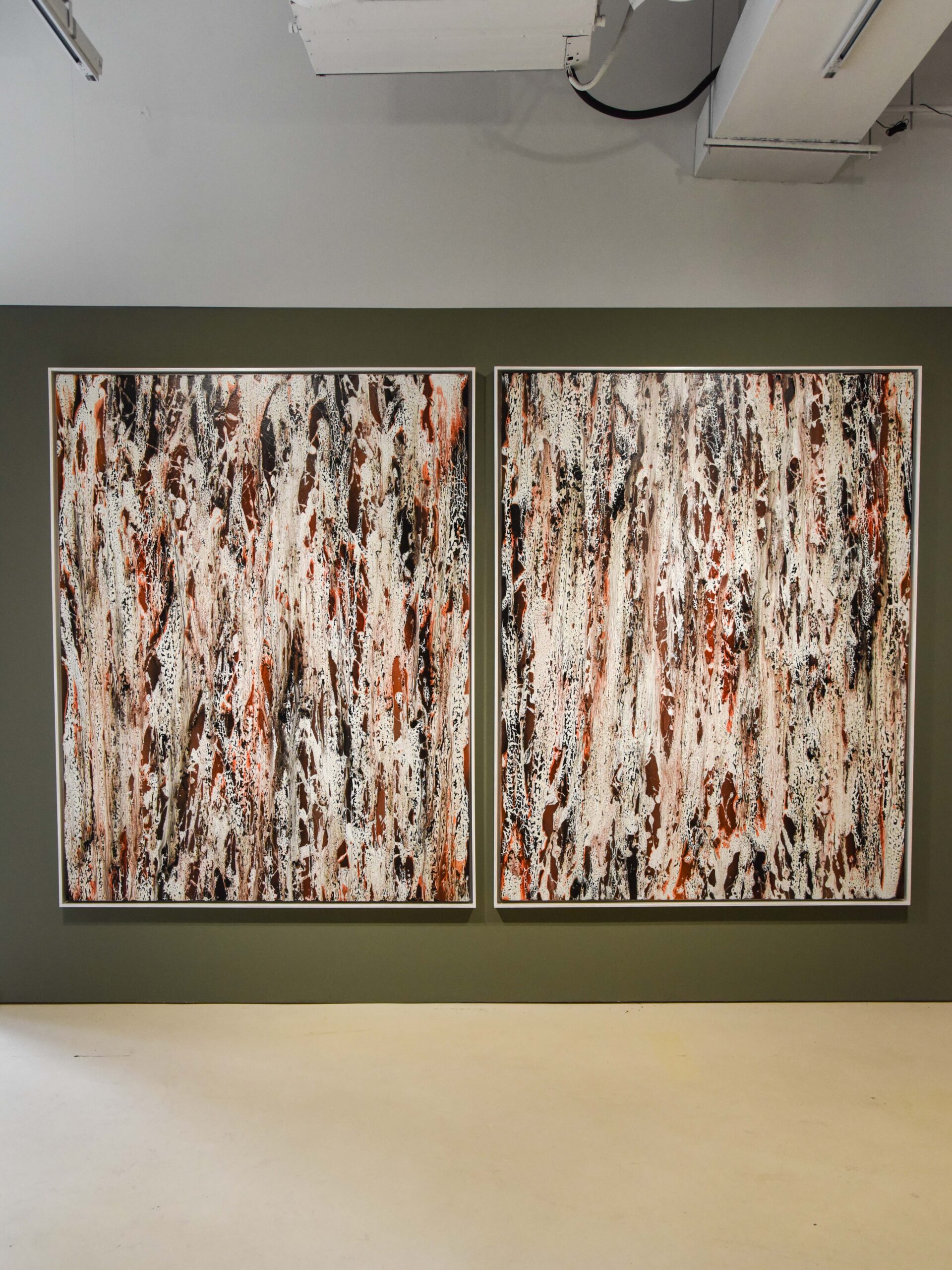
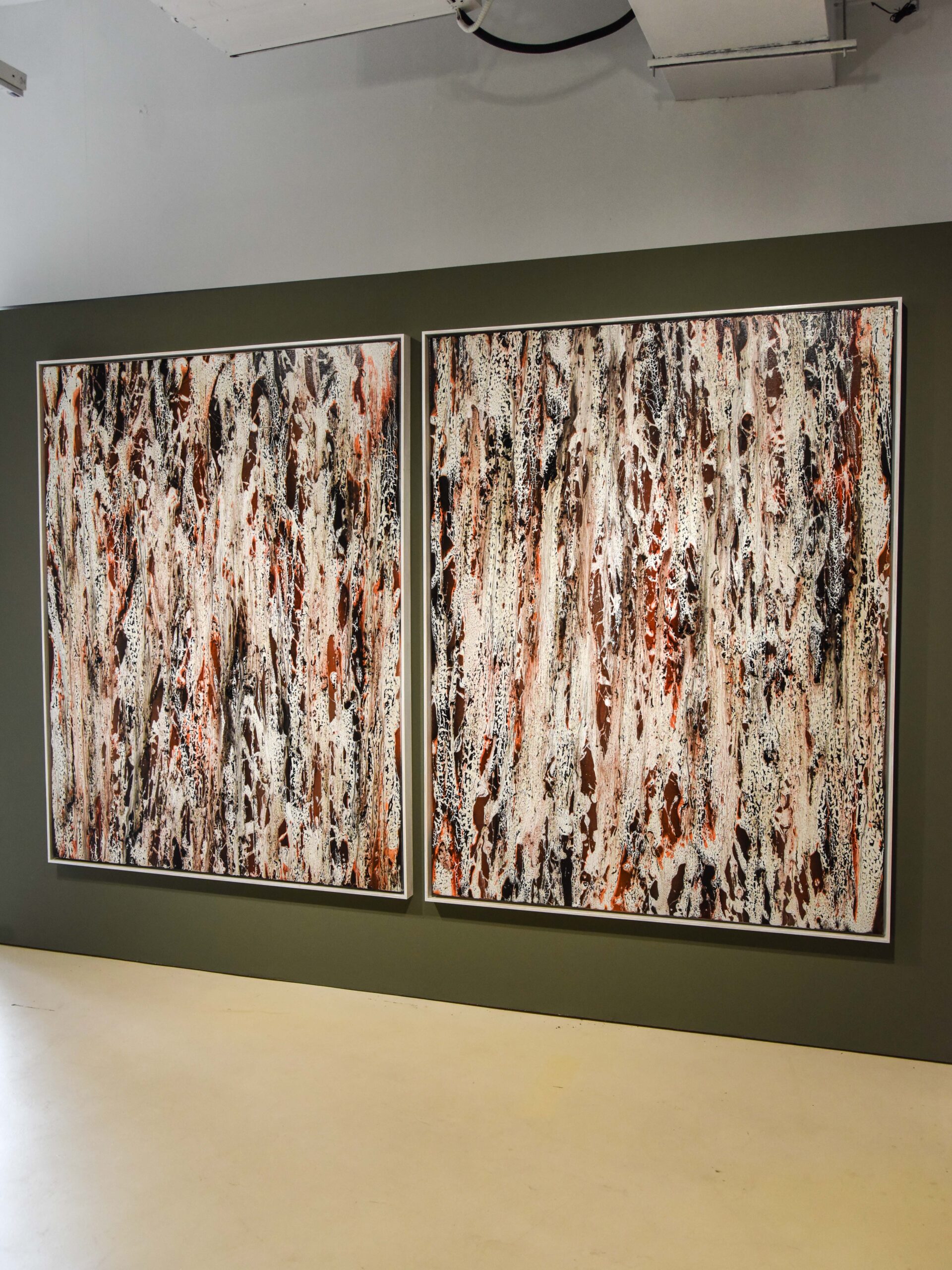
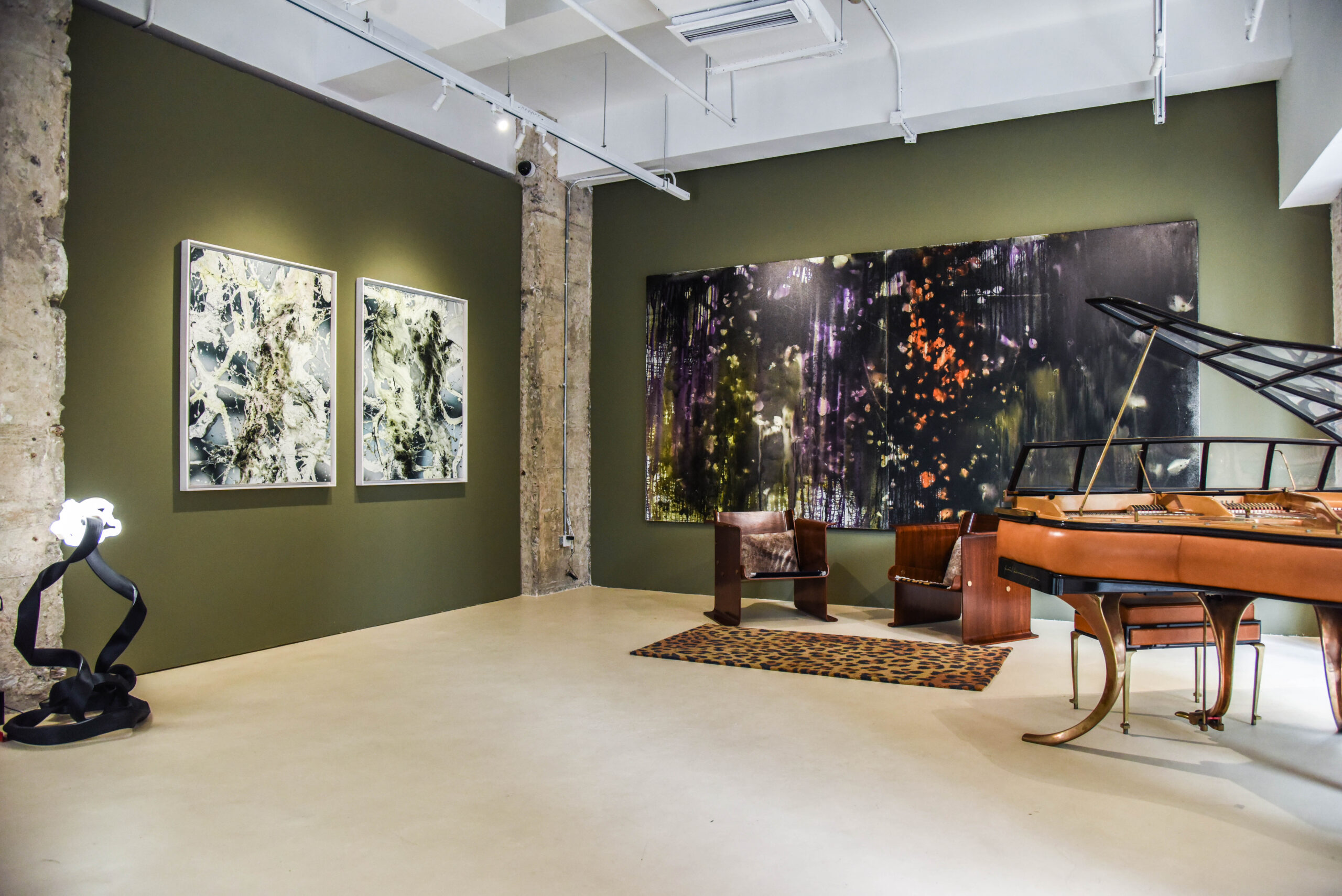
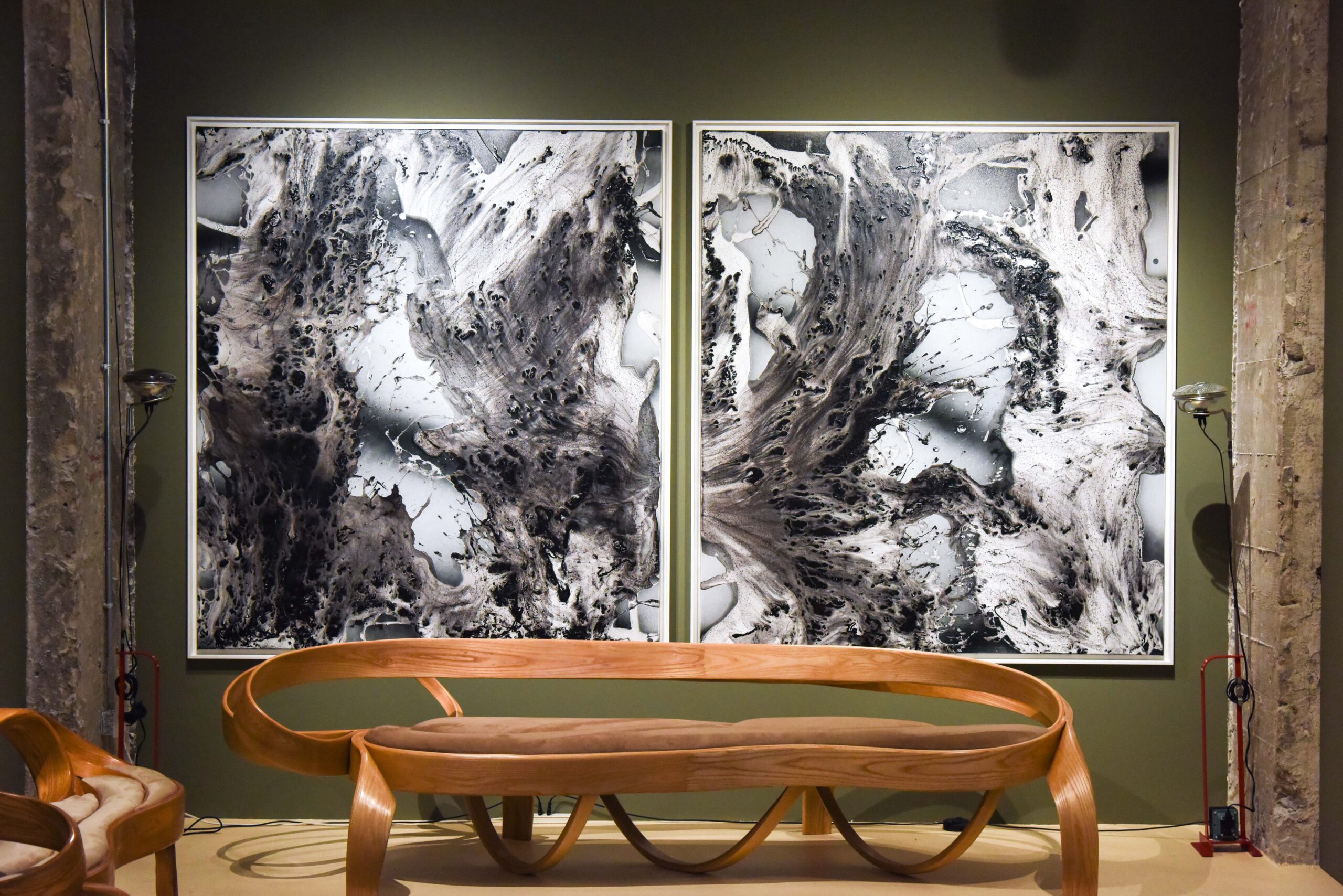
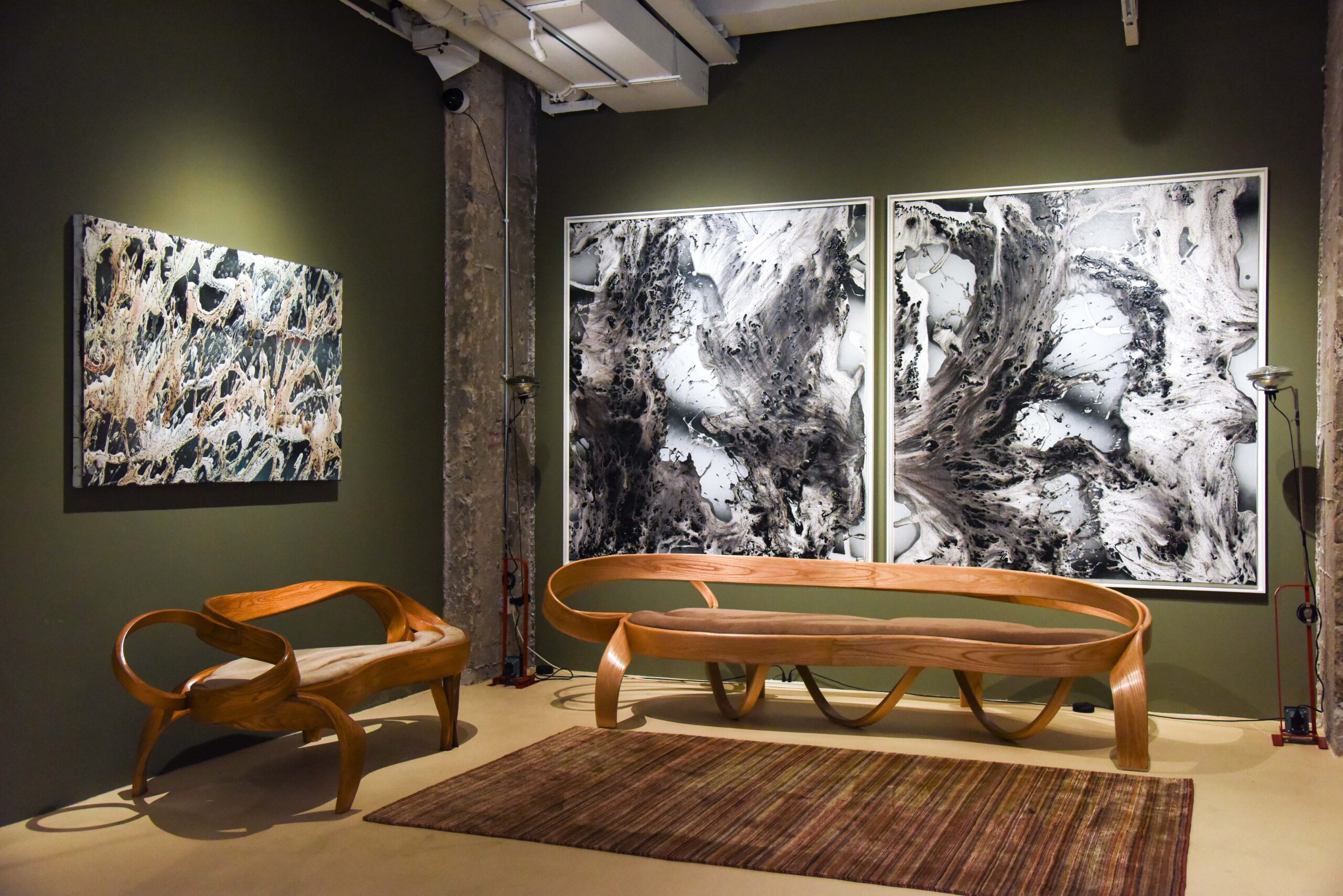
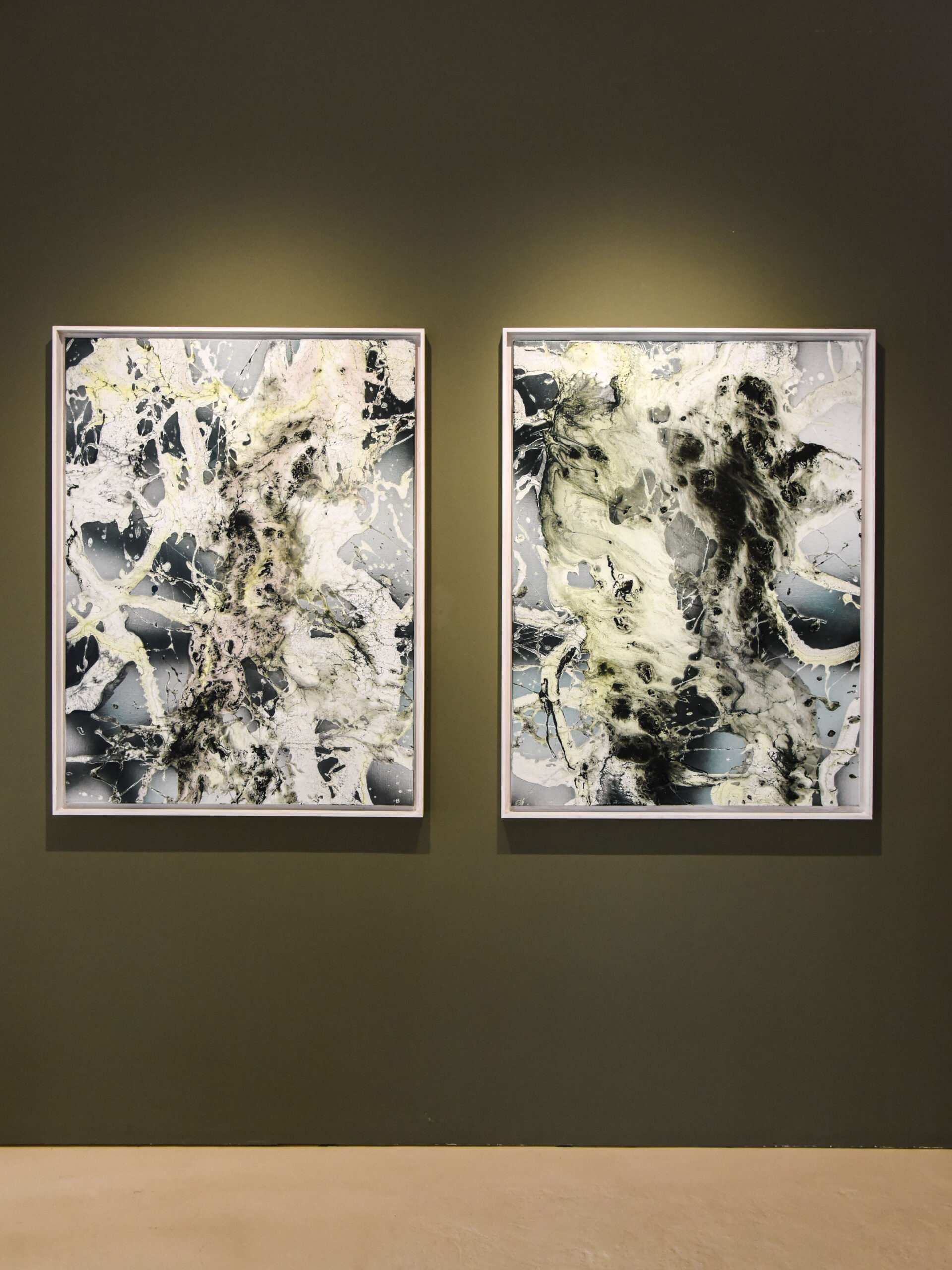
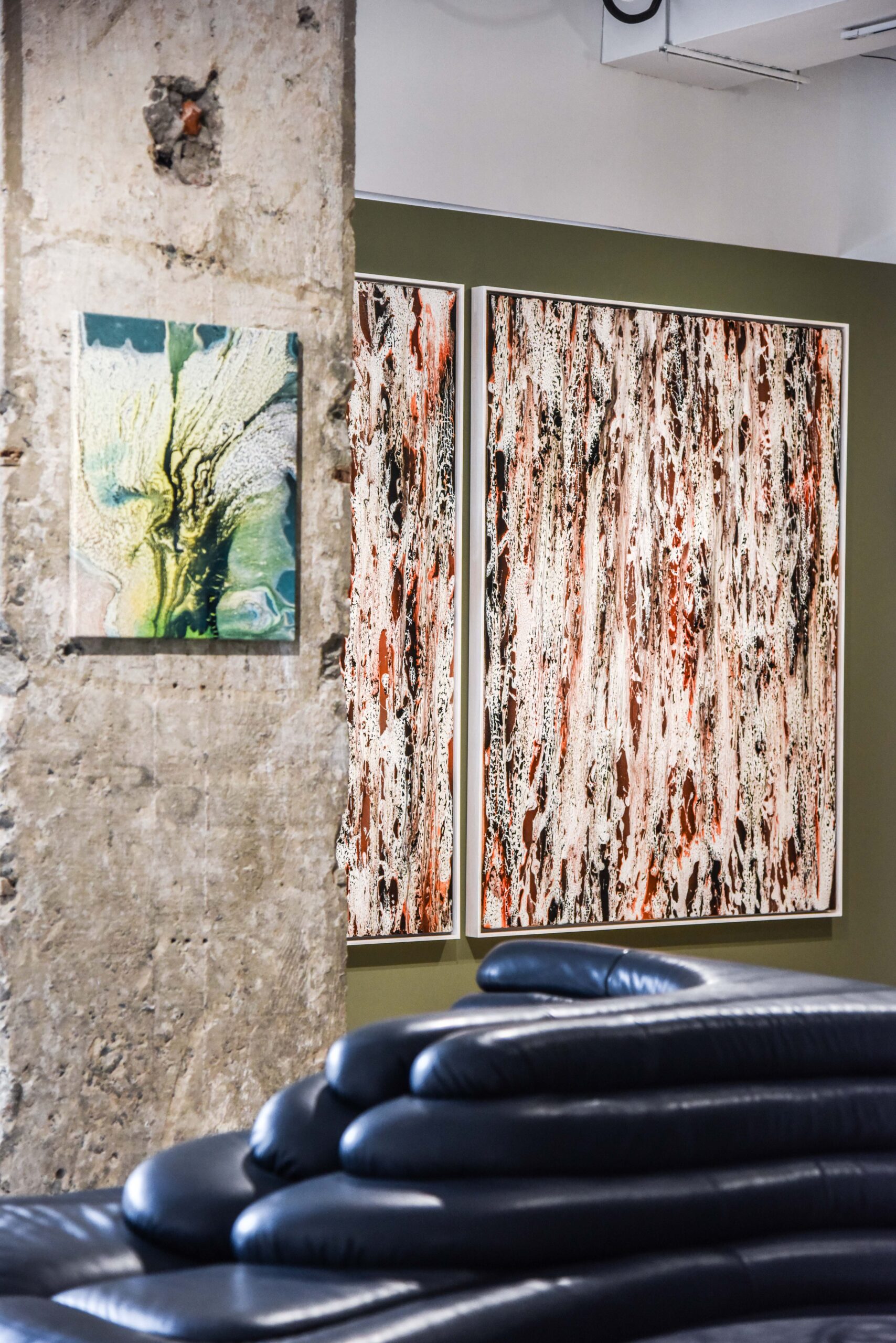
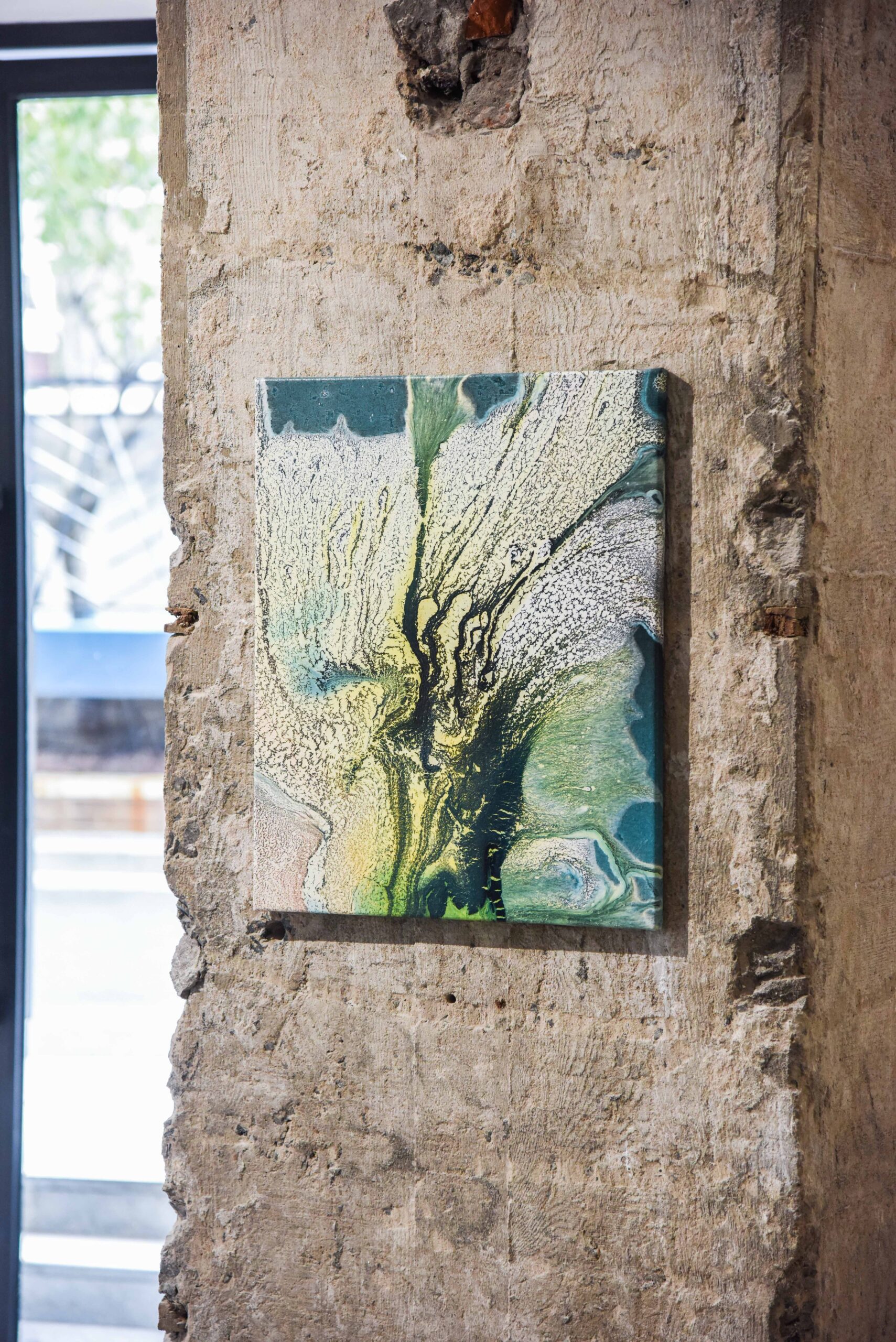
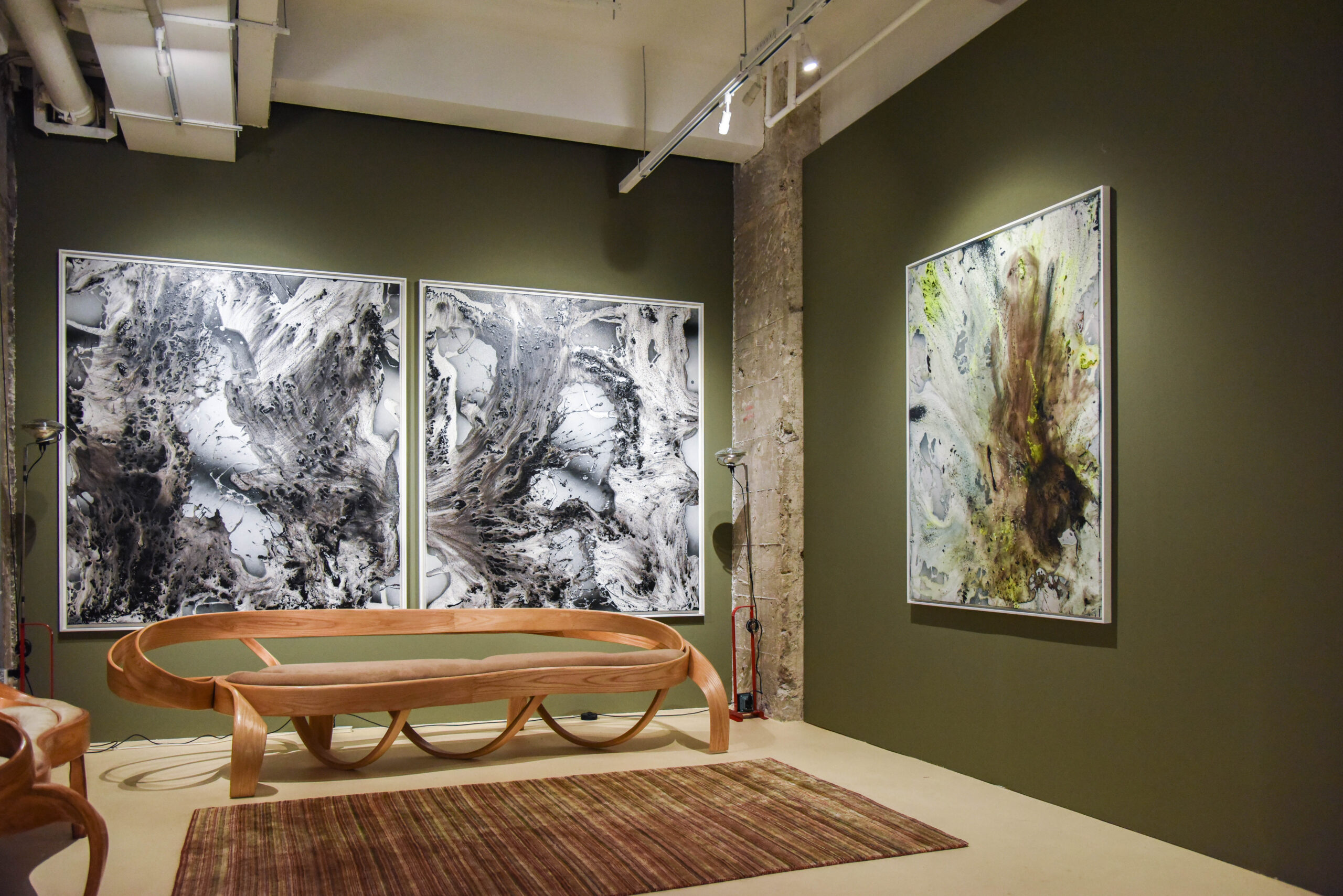
Cobra Gallery is honored to present Never Step into the Same River Twice, a solo exhibition by Hungarian artist Márta Kucsora, opening on November 8, 2024. Marking Kucsora’s first solo exhibition in Greater China, the exhibition brings together a selection of works created over the past decade, offering an insight into the evolution of an artistic practice shaped by experimentation, transformation, and an enduring fascination with the forces that organize the natural world.
The exhibition takes its title from a thought traditionally associated with the ancient Greek philosopher Heraclitus: “One cannot step into the same river twice.” At the heart of Heraclitus’ philosophy is the understanding that change is the fundamental condition of existence. The river may appear to remain the same, yet the water passing through it is never identical from one moment to the next. The person entering it has changed as well. Nothing exists in absolute stillness; matter, time, and life are continuously becoming something else.
This idea of perpetual transformation resonates deeply with Kucsora’s artistic practice. Her paintings do not attempt to capture nature as a static image. Instead, they engage with nature as a system of forces and processes—flow, expansion, erosion, accumulation, collision, dissolution, and regeneration. What interests the artist is not simply how nature looks, but how it behaves: how forms emerge, transform, interact, and eventually disappear.
Kucsora’s approach to abstraction is therefore fundamentally process-based. Rather than beginning with a predetermined image, she creates the physical conditions from which an image can emerge. Pigments, paints, lacquers, and materials of different densities and viscosities are poured, layered, dispersed, and manipulated across large surfaces. Gravity, movement, fluid dynamics, chemical reactions, and the resistance of the materials themselves become active participants in the formation of the work.
The artist has developed a distinctive, largely brushless painting process in which industrial tools and unconventional techniques coexist with precise preparation and intuitive decision-making. She initiates and directs the process, but never attempts to control it completely. Materials are given a certain degree of autonomy, generating unexpected encounters and transformations that could neither be entirely planned nor exactly repeated.
This balance between intention and unpredictability is central to Kucsora’s work. Painting becomes a negotiation between the artist and the physical world. A gesture may initiate a movement, yet gravity determines its direction; one material encounters another and produces a reaction whose final form can only partially be anticipated. Control gives way to chance, and chance is subsequently met again by conscious intervention. Each painting develops through this continuous exchange.
In this sense, Kucsora does not merely represent natural processes—she allows analogous processes to take place within the painting itself. The studio becomes a kind of experimental environment in which matter is set into motion and allowed to organize itself. The finished work is therefore not simply the execution of an image imagined beforehand, but the visible record of an event: a moment temporarily stabilized within an ongoing sequence of transformation.
This process gives Kucsora’s paintings their distinctive sense of movement and vitality. Forms appear to expand, divide, dissolve, collide, or flow beyond the boundaries of the canvas. At times they evoke rivers, geological formations, clouds, biological structures, cellular growth, or microscopic organisms; elsewhere they suggest planetary systems, atmospheric phenomena, or distant cosmic landscapes. Yet these associations remain deliberately open. The works resist settling into a single scale or interpretation.
This ambiguity between the microscopic and the cosmic is an important aspect of Kucsora’s visual language. A structure resembling a cell viewed under a microscope may simultaneously evoke a galaxy seen from an immense distance. A flowing pigment may recall water, a geological fault, a biological membrane, or a cloud formation. Through these shifts in scale, the paintings suggest that similar patterns and organizing principles may recur across radically different dimensions of the natural world.
The works presented in Never Step into the Same River Twice span approximately a decade of Kucsora’s practice and reveal the gradual development of this visual and conceptual language. Across different bodies of work, materials and techniques evolve, yet a consistent investigation remains: how can painting become a space in which transformation is not merely depicted, but actually allowed to occur?
The answer is never identical. Each work emerges from a unique constellation of materials, physical conditions, gestures, decisions, and accidents. Even when Kucsora returns to similar techniques, the outcome cannot be replicated. Like Heraclitus’ river, the process has already moved forward. The material is different, the conditions have shifted, and the artist herself approaches the work from another moment in time.
There is consequently an inherent tension between permanence and impermanence within these paintings. The fluid processes through which they are created eventually solidify. Movement becomes surface; an unstable event becomes a physical object. What remains on the canvas is the trace of something that has already happened—a temporary configuration captured at one particular stage of its transformation.
For Kucsora, this state of continuous becoming extends beyond the material process of painting. It reflects a broader understanding of existence in which stability is always provisional and boundaries are never entirely fixed. Nature is not composed of isolated, permanent forms, but of interconnected systems constantly exchanging matter and energy. Creation and dissolution are not opposites, but different moments within the same cycle.
Seen through this perspective, Never Step into the Same River Twice becomes more than a reference to change. It proposes a way of looking at the world. Kucsora’s paintings invite viewers to abandon the expectation of fixed images and instead experience form as something temporary, fluid, and alive. They ask us to observe the moment when order begins to emerge from apparent chaos—and the moment when that order starts to dissolve again.
The exhibition ultimately positions painting as both a physical experiment and a philosophical space. Through matter, movement, gravity, and chance, Márta Kucsora explores a world that is never complete and never entirely still. Each painting captures only one moment within that continuum—a moment in which forces briefly converge before everything begins, inevitably, to change again.
Like the river, the work remains familiar, yet it can never be encountered in exactly the same way twice.